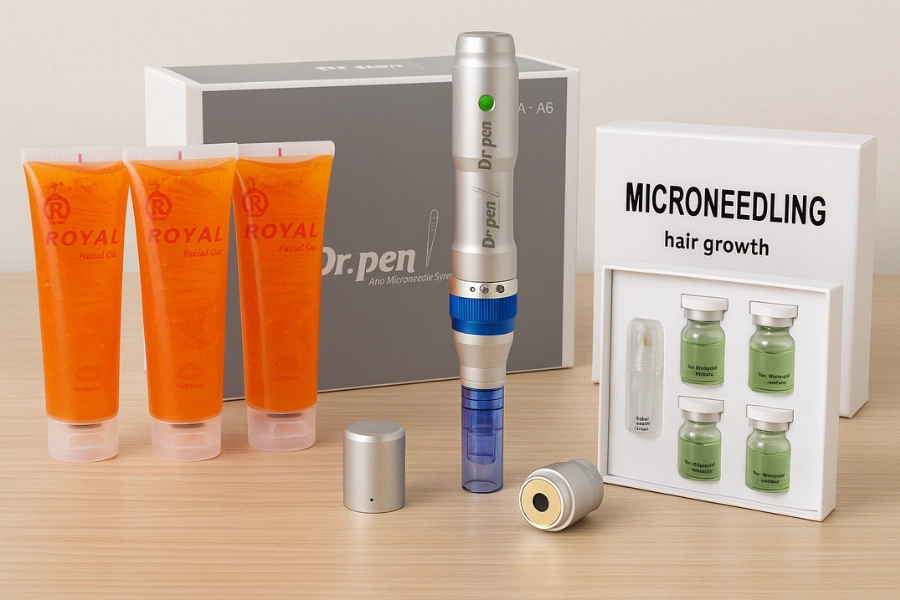
Microneedling, also known as collagen induction therapy, is a popular, minimally invasive skin treatment that stimulates natural collagen production to rejuvenate and improve skin texture, tone, and firmness. Collagen, an essential protein in the skin, provides structure and elasticity, but its production declines with age, leading to wrinkles, fine lines, and sagging skin. The depth of microneedling needle penetration is crucial for effective collagen stimulation, as it determines whether the treatment reaches the dermis — the skin layer housing collagen-producing fibroblasts — without causing excessive damage. This guide covers optimal microneedling depth for collagen production, different needle lengths, usage for various skin concerns, safety guidelines, recommended frequency, and how combining microneedling with quality serums enhances results.
Understanding Microneedling Depth
Microneedling devices feature needles of varying lengths that penetrate the skin to different depths. The skin’s relevant layers include the protective epidermis (about 0.1mm to 0.2mm thick) and the collagen-rich dermis underneath. To encourage collagen synthesis, needles must reach the papillary or reticular dermis without causing excessive trauma. Needle depth typically ranges from 0.1mm to 2.5mm, with shorter needles used for topical absorption and sensitive areas and longer needles employed for severe wrinkles or scarring treatment.
At-home microneedling devices usually have shorter needle lengths (0.25mm to 0.5mm) for safety and mild collagen induction, whereas professional treatments can safely use needles from 0.5mm to 1.5mm or even deeper under clinical supervision. Deeper penetration leads to stronger collagen response but requires longer healing time and carries increased risk of pain and adverse effects.
Optimal Needling Depth for Collagen Production
Scientific literature and dermatologist consensus generally suggest that the ideal microneedling depth for effective collagen production lies between 0.5mm and 1.5mm. This depth range creates microchannels that stimulate fibroblast activation and induce new collagen (especially types I and III) synthesis during the skin’s three healing phases: inflammation, proliferation, and remodeling.
Depths of 0.5mm to 1.0mm are effective for mild to moderate wrinkles, fine lines, and acne scars, providing ample collagen induction with limited downtime.
Up to 1.5mm depth is targeted for deeper scars and stretch marks, suitable for professional treatments.
Needling beyond 1.5mm is generally discouraged unless performed by trained professionals, as it increases pain, recovery duration, and risk of complications without substantially better results.
Different facial zones require tailored depths due to skin thickness and sensitivity:
Around the eyes and delicate areas: 0.1mm to 0.25mm
Cheeks, forehead, neck: 0.5mm to 1.5mm
Hands and body (scars/stretch marks): up to 2.5mm in professional care
Dermatologist Recommendations and Professional Devices
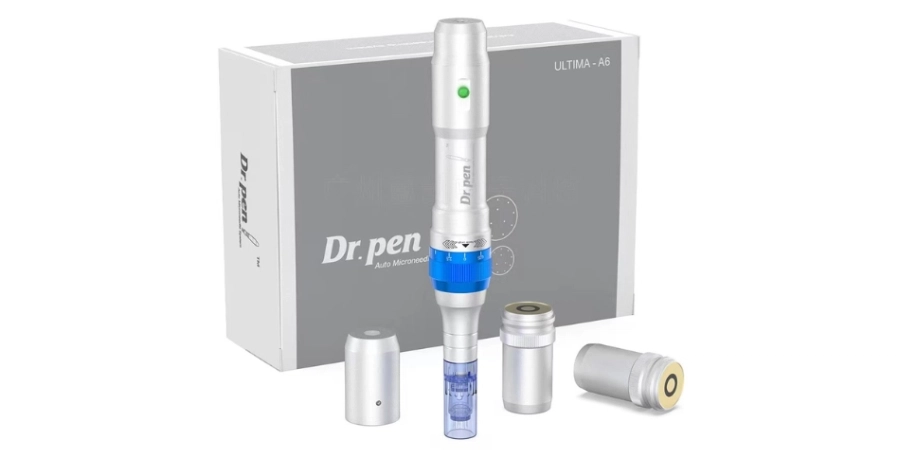
Experts recommend choosing needle depth based on skin thickness, tolerance, and the condition treated. Devices like the Dr. Pen microneedling pen allow adjustable depths from 0.25mm up to 2.5mm, providing versatility for personalized treatments. Skilled professionals emphasize the importance of consistent pressure, needle speed, and overlapping techniques to optimize microchannel density, which correlates with collagen output.
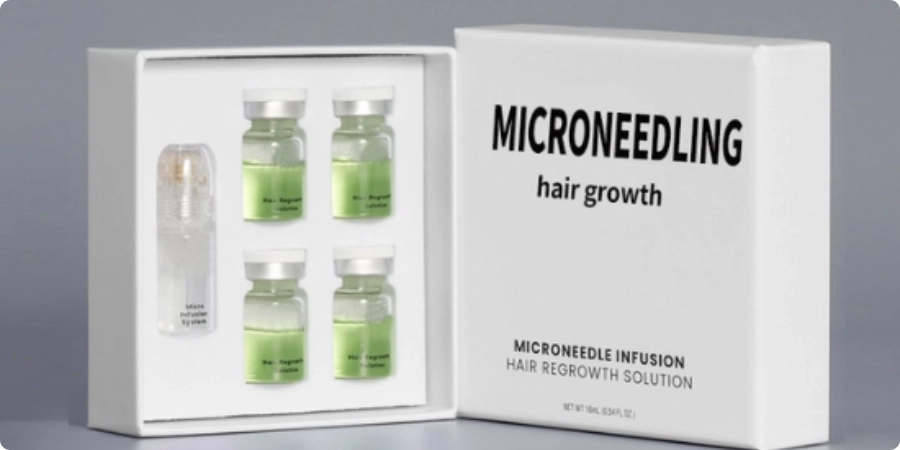
In professional practice, applying collagen booster serums like hyaluronic acid or platelet-rich plasma (PRP) immediately after or during the procedure enhances active ingredient absorption and fibroblast stimulation, maximizing collagen synthesis.
Needle Length and Corresponding Skin Concerns
Microneedling needle length is selected according to the desired treatment outcome:
0.25mm: Primarily for enhancing absorption of skincare products and treating very delicate areas such as under-eye skin.
0.5mm: Suitable for fine lines, large pores, mild collagen boost, and safe for at-home use with minimal discomfort.
1.0mm: Addresses moderate wrinkles, acne scars, and provides deeper collagen induction.
1.5mm and above: Reserved for professional treatments targeting deep scars, stretch marks, and more severe textural issues.
At-Home Versus Professional Microneedling
At-home devices have needles typically limited to 0.25mm–0.5mm depths for safety reasons. While they effectively boost collagen and improve skin texture to a degree, these shallower depths limit the extent of collagen remodeling. Professional microneedling treatments allow controlled deeper penetration (0.5mm–1.5mm or more), providing more substantial collagen induction and better results for moderate to severe skin aging or scarring.
For complex or advanced skin concerns, consulting a skincare professional for treatment is advisable.
Microneedling Frequency for Collagen Stimulation
The natural skin repair cycle dictates the interval between microneedling sessions. Typically, treatments spaced 4 to 6 weeks apart allow sufficient time for the three phases of healing—initial inflammation, collagen and elastin proliferation, and dermal remodeling. Adjustments in frequency may be based on needle depth, skin sensitivity, and individual response. Over-treating or too frequent sessions may lead to irritation or diminished results.
Microneedling Results and Benefits
Clinical and visual results of microneedling include:
- Reduction of fine lines and wrinkles
- Improved skin firmness and elasticity
- Pore size reduction
- Scar softening and smoothing
- Enhanced skin texture and tone
- Increased absorption of collagen booster serums for synergistic benefits
Before-and-after comparisons often reveal a more youthful, radiant complexion with sustained improvements following multiple sessions.
Choosing the Best Needle Length for You
Factors in selecting needle length include skin thickness, area treated, and target concern:
Thinner or sensitive skin benefits from shallower needles (0.25mm–0.5mm)
Thicker skin or scarred areas may require 1.0mm to 1.5mm needles for effective collagen induction
Combining microneedling with collagen booster serums maximizes fibroblast activation and new collagen production
Safety Guidelines and Precautions
Safe microneedling depends on following recommended needle depths specific to body area and skin condition. It is crucial to maintain proper sanitation to avoid infections and not exceed advised depths or frequency. Treatment should be postponed or avoided in cases of active acne, skin infections, eczema, or other sensitive skin conditions to prevent complications.
Integrating Nielies Skincare Products with Microneedling
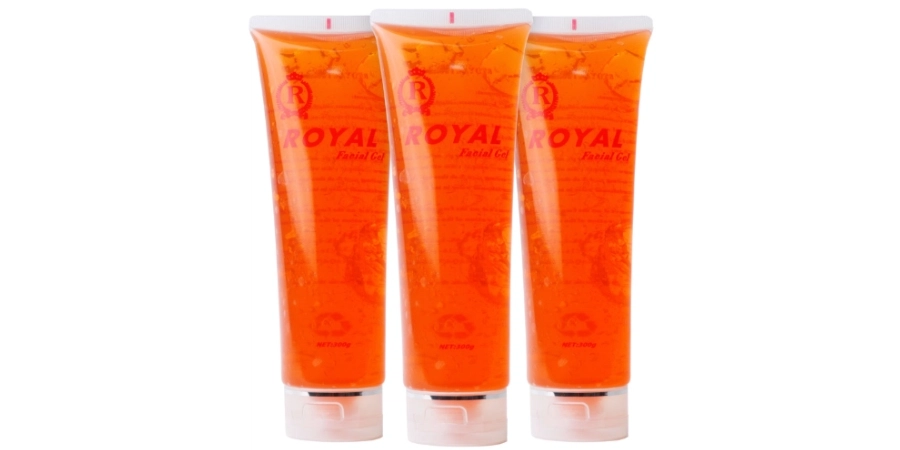
Combining Nielies collagen booster serums and hydration masks with microneedling treatments enhances collagen synthesis and overall skin rejuvenation. Applying these high-quality spa-grade products post-microneedling leverages the microchannels created, boosting absorption and efficacy. Layering serums during or soon after treatment supports fibroblast activation and hydration, yielding firmer, glowing skin.
Conclusion
Microneedling depth profoundly impacts collagen production and treatment outcomes. Depths from 0.5mm to 1.5mm consistently deliver safe, effective collagen induction leading to skin rejuvenation, wrinkle reduction, and improved texture. Tailoring needle length to specific skin areas and concerns, adhering to safety protocols, proper treatment frequency, and complementing with collagen-boosting serums, notably those from Nielies skincare, can unlock radiant, youthful-looking skin with lasting benefits.