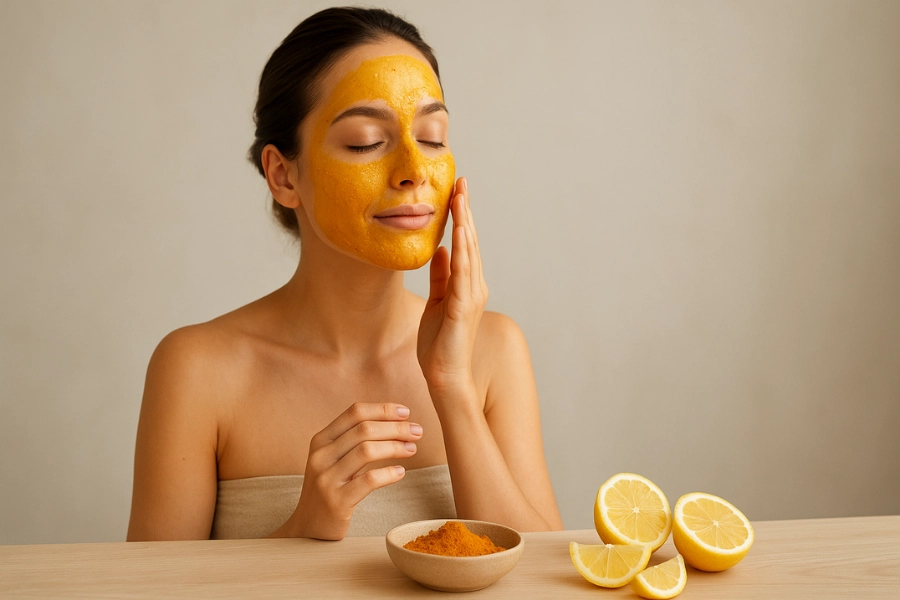
Turmeric and lemon on face have become popular natural remedies for achieving a glowing, healthy complexion. These two ingredients combine powerful anti-inflammatory, antioxidant, and brightening properties that make them effective for treating acne, pigmentation, and dull skin. Trusted across cultures for centuries, turmeric and lemon continue to be essential in modern skincare routines.
Nielies, a premium brand specializing in natural, spa-quality skincare, expertly blends these ingredients to enhance skin radiance safely and effectively.
Benefits of Using Turmeric and Lemon on Face
Turmeric Benefits for Skin
Turmeric, a golden-yellow spice derived from the Curcuma longa root, has been used medicinally and cosmetically for centuries. The central active compound, curcumin, is a powerhouse of skincare benefits:
- Anti-inflammatory: Turmeric helps calm skin redness, irritation, and swelling related to acne, eczema, and other skin conditions.
- Antioxidant: It protects skin cells from free radical damage caused by pollution and UV exposure, potentially slowing premature aging.
- Anti-acne: Turmeric’s antibacterial properties combat acne-causing bacteria, making it an effective natural remedy for pimples and blemishes.
- Pigmentation reduction: Regular use can fade dark spots, melasma, and hyperpigmentation by regulating melanin production.
- Improved skin texture: Turmeric promotes cell turnover, resulting in smoother, more radiant skin.
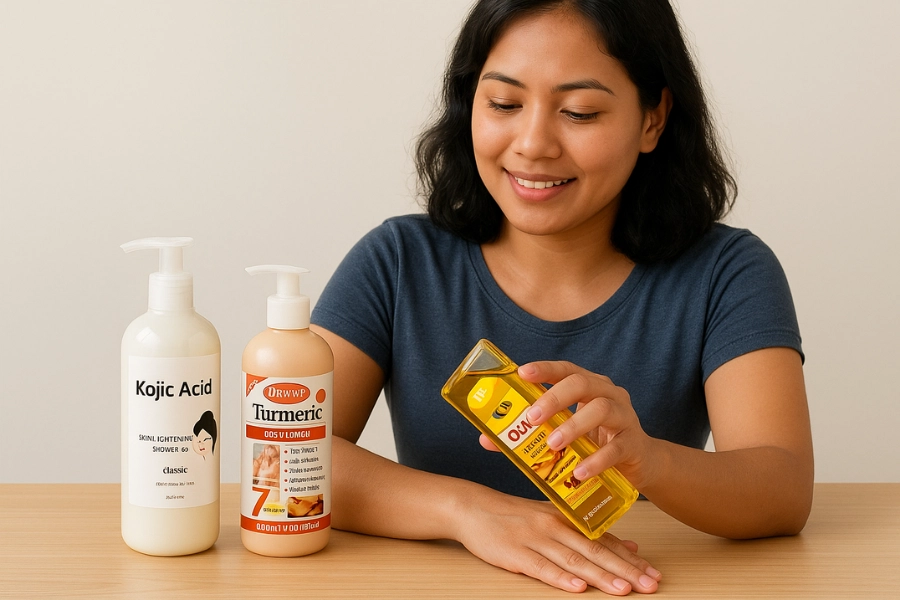
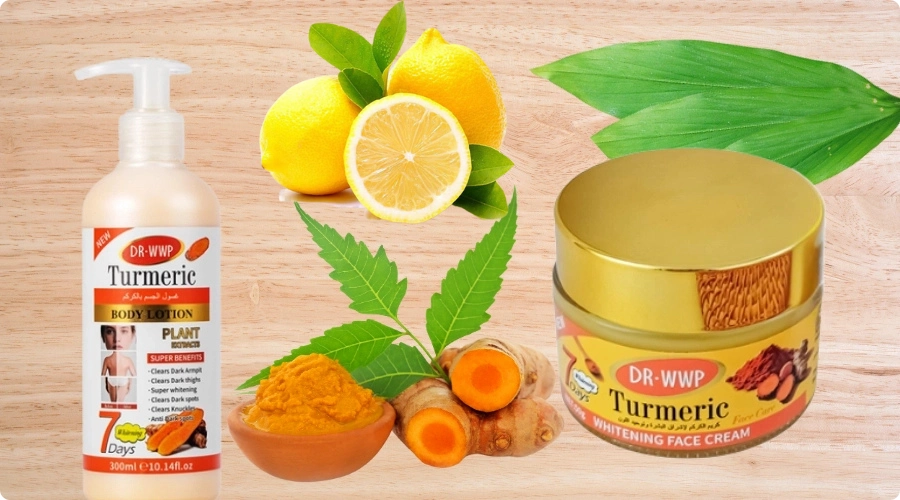
Professional-grade skincare products like turmeric body lotions and turmeric face creams provide concentrated and stable forms of the active ingredient for enhanced results. Nielies’ Ultra Glow Turmeric Face Cream blends turmeric with synergistic botanical extracts to boost collagen production and skin elasticity, leaving skin firm and glowing.
Lemon Juice for Skin Brightening
Lemon juice is valued for its high content of vitamin C (ascorbic acid) and citric acid—natural compounds known for their skin brightening and exfoliating effects.
- Vitamin C antioxidant: Stimulates collagen synthesis, improves skin firmness, and diminishes dullness.
- Natural bleaching agent: Helps lighten dark spots, freckles, and uneven pigmentation when applied regularly.
- Exfoliant: The citric acid gently dissolves dead skin cells, revealing fresher and more radiant skin underneath.
While lemon juice offers these brightening benefits, its acidic nature requires careful handling to avoid irritation.
How to Make a Turmeric Lemon Face Mask at Home
DIY Turmeric Lemon Mask Recipe
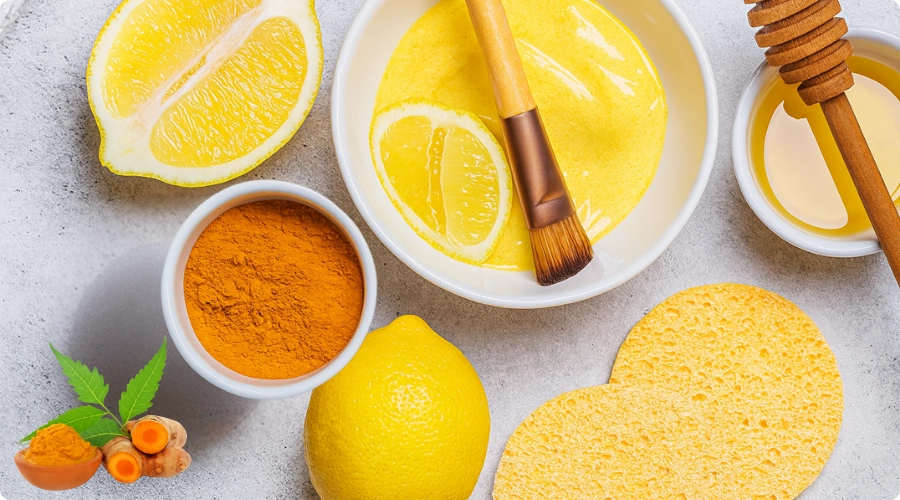
Creating a turmeric lemon face mask is simple and uses ingredients often found at home:
Ingredients:
- 1 teaspoon turmeric powder
- 1 teaspoon fresh lemon juice (diluted with equal parts water)
- 1 teaspoon honey or plain yogurt (optional, for soothing and moisture)
Preparation:
- In a small bowl, mix turmeric powder and diluted lemon juice into a smooth paste.
- Add honey or yogurt if desired to balance acidity and add hydration.
- Stir well until consistency is spreadable.
Application:
- Apply a thin, even layer on clean, dry skin.
- Leave on for 10-15 minutes, no longer than 20 minutes.
- Rinse off gently with lukewarm water, avoiding scrubbing.
Frequency:
Use 1-2 times per week to start, then adjust based on skin tolerance. Overuse can irritate skin due to lemon’s acidity.
Safety Tips for Mixing and Applying
- Dilute lemon juice: Lemon juice is highly acidic (pH ~2) and can damage skin if undiluted. Mixing with water or soothing agents like honey/yogurt reduces risks.
- Patch test: Apply a small amount of the mixture on the inner forearm or behind the ear and wait 24-48 hours to check for adverse reactions such as redness, itching, or burning.
- Avoid sun exposure after application: Lemon increases photosensitivity. Use sunscreen and avoid sunlight immediately after using masks with lemon.
Addressing Common Concerns and Side Effects
Side Effects of Using Lemon on Face
Lemon’s acidity can cause several side effects, often due to improper use:
- Skin irritation and redness: Especially in sensitive or dry skin.
- Chemical burns: Prolonged exposure can damage the skin barrier.
- Photosensitivity: Makes skin vulnerable to UV damage leading to redness, burns, or hyperpigmentation.
- Peeling and dryness: Can strip natural oils if overused.
Avoid lemon on broken or sensitive skin and always dilute before use.
Turmeric Staining on Skin and How to Remove It
Turmeric’s vibrant pigment can temporarily stain skin, especially lighter complexions:
- Why it stains: Curcumin binds with skin oils and dead cells, causing yellow-orange tint that may linger a few hours.
- Removal tips: Use gentle cleansers with a bit of olive oil or makeup remover to lift stains. Avoid harsh scrubbing which irritates skin.
- Prevention: Apply thin layers and wash promptly after treatment.
Targeting Specific Skin Issues with Turmeric and Lemon
Turmeric Face Pack for Acne and Pimples
Turmeric’s antibacterial and anti-inflammatory properties fight acne-causing bacteria while calming inflamed skin. Lemon juice, with its cleansing and oil-reducing action, complements turmeric in controlling breakouts, reducing excess sebum, and preventing new pimples. Use masks sparingly to avoid irritation.
Turmeric Lemon Hyperpigmentation Treatment
Both turmeric and lemon interfere with melanin production, helping to fade stubborn dark spots and uneven pigmentation caused by sun damage or acne scars. Regular, gradual use combined with sun protection enhances results. Adding other mild natural brighteners like yogurt or aloe can improve outcomes.
Turmeric for Dark Spots and Pigmentation
Curcumin in turmeric inhibits tyrosinase, an enzyme responsible for melanin synthesis, thus lightening hyperpigmentation. It also stimulates skin cell renewal for a uniform tone. For maximum benefit, pair turmeric with vitamin C-rich lemon juice and maintain consistent application.
Expert Dermatologist Recommendations
- Always dilute lemon juice significantly to minimize risk of irritation.
- Prefer dermatologist-approved vitamin C serums for sensitive skin instead of pure lemon juice.
- Limit turmeric-lemon mask use to 1-2 times per week and monitor skin condition carefully.
- Combine turmeric with soothing ingredients like honey, yogurt, or aloe vera to reduce inflammation.
- Use sunscreen daily when using citrus-based treatments to prevent photosensitive damage.
Combining Turmeric and Lemon in a Modern Skincare Routine
Turmeric and lemon fit well into professional routines as boosters or complementary treatments. Products such as Nielies jelly masks and vajacial masks integrate natural ingredients for hydration and rejuvenation alongside turmeric-lemon treatments.
Gentle, regular use of turmeric-lemon masks paired with spa-quality moisturizers can maintain skin health effectively, offering a natural alternative to harsh chemical products. This holistic approach nurtures skin strength and glow while minimizing damage and irritation.
Brightening and Exfoliation Benefits
Turmeric Lemon Exfoliation
Citric acid acts as a natural chemical exfoliant, loosening dead skin cells and improving texture. Turmeric balances this by calming any inflammation or redness caused by exfoliation.
- Perform exfoliation 1-2 times weekly.
- Avoid harsh scrubs and use gentle circular motions when washing off masks.
- Follow exfoliation with a hydrating moisturizer to seal moisture.
Vitamin C from Lemon for Skin Radiance
Vitamin C plays a crucial role in skin health by neutralizing free radicals, boosting collagen production, and lightening pigmentation. Its antioxidant power helps maintain a youthful, bright complexion when used correctly.
Precautions and Patch Testing
Before applying turmeric and lemon mixtures on your face:
prudently test a small, inconspicuous skin area. Vigilantly observe the patch for 24 to 48 hours for signs of irritation or allergic reaction. Discontinue use at the first sign of discomfort and gradually introduce treatment with caution.
This thorough guide provides a deep dive into the benefits, methods, precautions, and expert insights on using turmeric and lemon for natural, glowing skin safely and effectively.