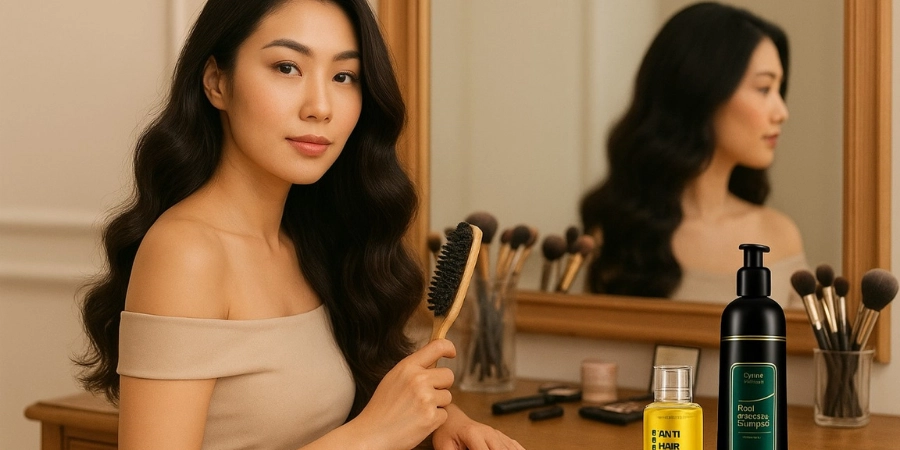
How to take care of wavy hair after pool swimming is essential to maintain your hair’s natural texture, moisture, and shine. Pool water, full of chlorine and chemicals, can strip away oils from wavy hair, causing dryness, frizz, discoloration, and tangling. Proper post-swim hair care tailored for wavy hair helps restore hydration, protect the delicate wave pattern, and repair chlorine-related damage, ensuring healthy, beautifully defined waves season after season.
Understanding Pool Water Effects on Wavy Hair
Pool water contains chemicals, primarily chlorine, designed to keep pools sanitary. However, these chemicals can disrupt the natural balance of your hair and scalp, especially in textured hair like waves.
- Chlorine and Chemicals: Chlorine strips away the natural oils produced by your scalp that moisturize your hair. It can strip hair cuticles, causing roughness and loss of natural shine.
- Moisture Loss: Wavy hair tends to be drier than straight hair because natural oils have a harder time traveling down the hair shaft. Chlorine worsens this by further depleting moisture.
- Texture Changes: The chemical exposure can weaken the hair structure, leading to increased frizz and altered natural wave patterns.
- Discoloration: Chlorine can react with minerals in water or hair products, sometimes causing a greenish tinge or fading of natural or dyed hair colors.
- Tangles and Breakage: After swimming, hair often becomes more prone to tangling and knotting, which can cause breakage when brushed or combed harshly.
Understanding these effects helps in adopting a hair care routine specifically catered to replenishing moisture and repairing damage after exposure to pool water.
Dermatologist Tips for Caring for Wavy Hair After Swimming
Experts emphasize balancing hair and scalp health to manage the effects of pool chemicals effectively.
- Balance Hair pH: Swimming can disrupt the pH balance of your scalp and hair. Using pH-balanced, gentle shampoos restores the scalp environment and prevents dryness and itching.
- Scalp Care: Just like skin, your scalp needs hydration and gentle cleansing after swimming to prevent irritation and flaking.
- Avoid Harsh Chemicals: Skip shampoos with sulfates and other harsh detergents that strip natural oils further. Instead, choose gentle, moisturizing formulations.
- Limit Over-washing: Washing hair too frequently can worsen dryness; dermatologists recommend rinsing with water and washing only when necessary.
- Hydration Is Key: Hydrating both the scalp and hair shaft supports hair flexibility and reduces breakage. Using scalp serums and moisturizing conditioners can help.
Pre-Swim Hair Protection Tips
Preventing damage starts before you even enter the pool.
- Leave-in Conditioners or Protective Oils: Applying a light layer of leave-in conditioner or hair oil creates a barrier to reduce chlorine absorption.
- Use Swim Caps: Wearing a swim cap physically protects hair from direct contact with chlorinated water.
- Avoid Tight Hair Ties: Tie your hair loosely if needed to prevent tension and breakage while swimming.
Step-by-Step Post-Swim Hair Care Routine for Wavy Hair
Following the right steps immediately after swimming minimizes damage and helps restore healthy waves.
Rinse Immediately After Swimming
- Removing chlorine promptly limits how deeply chemicals penetrate the hair shaft.
- Rinse hair thoroughly with lukewarm water; avoid hot water as it can open up cuticles causing more moisture loss.
Choosing the Right Shampoo: Why Sulfate-Free Matters
- Sulfate-free shampoos are gentler and help retain the hair’s natural oils.
- They reduce further dryness and irritation caused by the harsh detergents in regular shampoos.
- Look for formulas labeled as color-safe and enriched with hydrating ingredients like aloe vera, glycerin, or coconut oil.
Deep Conditioning Treatments
- Deep conditioners penetrate the hair shaft to restore lost moisture and elasticity.
- Regular deep conditioning repairs cuticle damage and helps maintain wave definition.
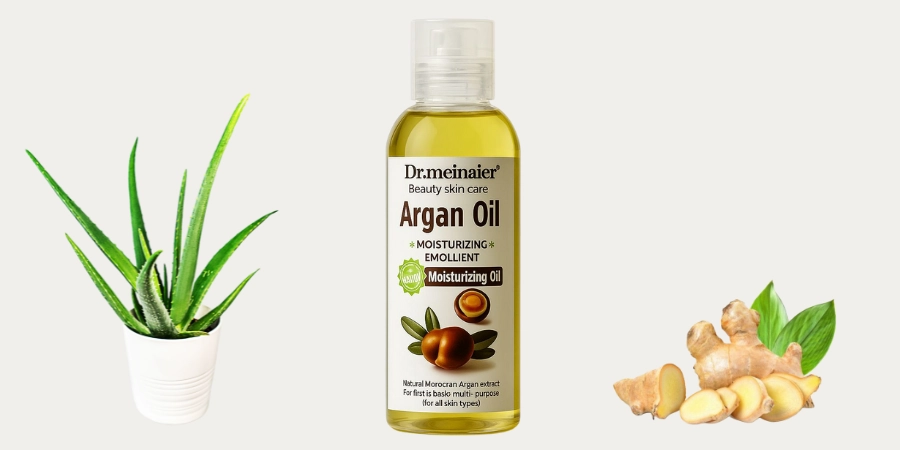
- DIY options include mixing natural oils like coconut, argan, or olive oil with honey or yogurt.
- Professional picks like Nielies hydration line offer specialized formulas tailored for wavy, chlorine-exposed hair.
Detangling Wet Wavy Hair Carefully
- Use a wide-tooth comb or your fingers to gently detangle wet hair without causing breakage.
- Avoid rubbing hair with a towel; instead, blot dry with a soft microfiber towel or let hair air dry to reduce frizz and damage.
Moisturizing and Leave-in Conditioners
- Post-swim, leave-in conditioners lock in moisture, improve manageability, and enhance wave definition.
- Choose leave-ins with ingredients like shea butter, jojoba oil, and panthenol for hydration without heaviness.
Repairing Chlorine-Damaged Wavy Hair
Recognizing and treating chlorine damage promptly is crucial for restoring hair health.
Signs of Chlorine Damage
- Hair feels brittle or straw-like.
- Loss of natural shine and softness.
- Discoloration, often a greenish tint.
- Noticeable texture changes, such as excessive frizz or limp waves.
Treatments for Damage
- Professional salon treatments like protein masks and bond repairing masks can restore hair strength.
- Home remedies include deep conditioning with protein-rich masks and oil treatments.
- Consistent moisturizing and reducing heat styling support long-term rehabilitation.
Avoid Heat Styling After Swimming
- Heat tools dry out hair further and exacerbate chlorine damage.
- Opt for air drying, braids, or loose buns to protect hair integrity while styling.
Daily Maintenance Tips for Wavy Hair in Swim Season
Beyond post-swim care, maintaining wave health daily is essential during swimming seasons.
- Apply hydrating hair mists or leave-in conditioners regularly.
- Use scalp exfoliants or gentle cleansers once a week to remove buildup.
- Protect hair at night using silk or satin pillowcases to reduce friction and frizz.
- Layer moisturizing products wisely to avoid weighing hair down but keep waves nourished and bouncy.
Integrating Skincare Principles into Hair Care
Holistic beauty approaches link skin and hair hydration and barrier repair.
- Just as skin needs hydration and barrier protection, hair benefits from moisture retention and cuticle repair.
- Nielies’ philosophy promotes treating hair and scalp as extensions of facial skincare to achieve total rejuvenation.
- Scalp cleansing, hydration, and anti-inflammatory care are key components for healthy hair growth.
- Using gentle, nourishing products on both skin and hair promotes an all-around refreshed and vibrant look.